



A homeowner who calls you for septic pumping has already done something valuable. They chose a local company, let your team onto their property, and trusted you with a system they rarely think about until something goes wrong. Too many septic companies treat that job as the end of the relationship.
It should be the beginning.
The strongest septic companies do not depend entirely on a fresh batch of emergency calls every month. They build a system that keeps past customers connected to the business. A pumping customer becomes a future maintenance reminder. An inspection customer becomes a repair conversation or a replacement opportunity when the time is right. A satisfied homeowner becomes a review, then a referral, then proof that helps the next prospect choose your company.

That is repeat revenue. It is not a gimmick, an aggressive discount, or a complicated marketing funnel. It is the disciplined work of remembering the customer after the truck leaves and giving them a useful reason to remember you before they need septic service again.
The value of a pumping job is bigger than today’s invoice
Pumping is often the easiest entry point into a long customer relationship. The homeowner may have just moved in, may be catching up on neglected maintenance, or may simply want the peace of mind that comes from knowing the system has been cared for. In every case, you have an opportunity to record useful information that makes the next interaction better.
Your office should know the service date, property address, system notes, whether there were warning signs, and when a reasonable next reminder should be sent. That does not mean every customer gets the same generic calendar message. The right reminder depends on the property, household, system condition, and work performed. What matters is that the customer hears from your company before they start another search.
A clear service reminder is helpful when it feels like service, not spam. It can remind the homeowner of the prior visit, invite them to call with changes or concerns, and make it easy to book the next appointment. The message should sound like a company that knows the property, not a company that bought a contact list.
For an established septic contractor, this is also a revenue-planning advantage. A clean reminder list gives the office a pool of familiar customers to contact during slower periods. It helps smooth seasonality without teaching your team to rely on last-minute discounts or unqualified emergency leads.
Inspections should create the next useful conversation
An inspection is one of the clearest moments to build a relationship. The homeowner wants to know what was found, what it means, and whether they need to take action now, later, or not at all. If the explanation ends with a vague invoice and no follow-up, the company loses the chance to become the trusted source for the next decision.
Give every inspection a clear conclusion. If the system is in good shape, explain what ongoing care looks like and when to check in again. If a repair is recommended, make the next step easy to understand. If the customer is approaching a larger decision, such as a system upgrade or replacement, explain the decision path without pressure.
The key is documentation that your office can use. A simple note in the CRM or service software can identify the type of follow-up that belongs with the customer. It may be a maintenance reminder, a repair check-in, an estimate follow-up, or a future inspection conversation. That record keeps the relationship from living only in the technician’s memory.
This same approach helps excavation and septic contractors who handle related site work. An inspection can uncover drainage, access, grading, or system-layout issues that deserve a thoughtful conversation. When your company can explain the connection clearly, you are more likely to remain the first call instead of being replaced by a different contractor halfway through the project.
Repair follow-up protects trust and finds the next opportunity
A repair call can be stressful for the homeowner. They may have a smell, a backup, an alarm, a real-estate deadline, or a concern that the cost will keep growing. Your crew solves the immediate issue, but the customer may still be wondering what to watch for next.
A short post-repair follow-up is one of the most underused tools in septic marketing. The goal is not to sell another service before the customer has had time to breathe. The goal is to confirm that the solution is holding, answer questions, and make sure the customer knows who to call if the condition changes.
That follow-up can happen through a quick call, a text, or an email from the office. It should reference the actual work completed, use plain language, and invite a response. If the repair addressed a symptom of a larger system issue, your follow-up becomes the right place to explain a future inspection, monitoring plan, or estimate without using fear to force a decision.
Customers remember contractors who make ownership feel easier. They also talk about them. A repair customer who feels ignored may not leave a bad review, but they are unlikely to recommend you. A repair customer who feels supported has a reason to become a long-term advocate.
Maintenance should be positioned as confidence, not a coupon
Maintenance programs work best when they are simple and relevant. A homeowner does not necessarily want another membership card in their wallet. They want fewer surprises, an easier way to keep track of service, and a trusted company they can call when something changes.
Your program can be modest. It may include scheduled pumping reminders, inspection scheduling, priority communication, a documented system history, or a practical maintenance checklist after a visit. The value is clarity and continuity. The homeowner should understand what the program helps them avoid and why your company is better positioned to help because you already know their system.
Do not lead with a deep discount if it trains customers to wait for one. Lead with the convenience, the documented record, and the professionalism of working with a company that is keeping an eye on the next appropriate step. That language attracts the kind of homeowner who values reliable service and is more likely to become a repeat customer.
Your marketing should support that message. A well-built maintenance page, a few useful seasonal emails, and a clear statement on your pumping and inspection pages can make the program feel like a natural part of your service rather than an afterthought.
Reviews are proof that should keep working after the job
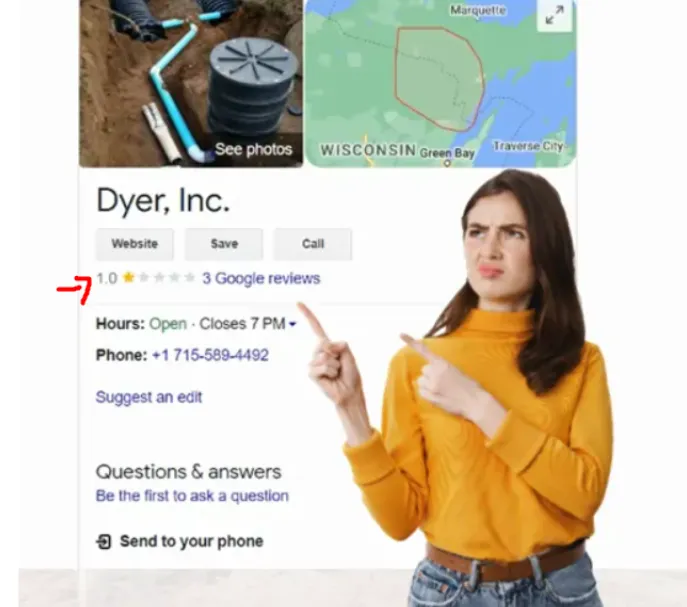
A great review is more than a star rating. It is evidence that a real local homeowner trusted your team and had a good experience. When the review mentions communication, punctuality, a clean jobsite, fair explanation, or a difficult issue resolved, it answers questions that the next prospect is already asking.
Ask for reviews when the customer has a clear positive outcome. That can be after an uneventful pumping visit, a successful repair, a completed inspection, or a carefully managed installation. Make the request direct and easy. A short text or email with a straightforward link is usually better than a long campaign full of reminders.
Then use the review. Add the strongest ones to relevant service pages, share a selected review in a follow-up email, and keep them visible where prospective customers are comparing septic companies. A review about a clean, well-explained pumping visit belongs near pumping service. A review about a complicated repair belongs near repair service. Context gives the proof more power.
Referrals come from an easy ask, made at the right time
A satisfied homeowner may know a neighbor, family member, real-estate agent, builder, or property manager who needs a septic contractor. But most will not think to refer you unless your company makes it simple and memorable.
The right moment is after value has been delivered. Thank the customer for choosing your company, confirm that the work met expectations, and tell them that referrals are appreciated. You do not need an elaborate reward to start. A clear, professional request works because it reminds the customer what good service felt like.
Your referral message should fit the business you want to build. Ask for introductions to homeowners who need pumping, inspections, repairs, maintenance, or system work in your service area. If you also serve builders or work alongside excavation contractors, be specific about the project types you handle well. Referrals improve when people understand exactly who you are the right company for.
Make repeat revenue measurable
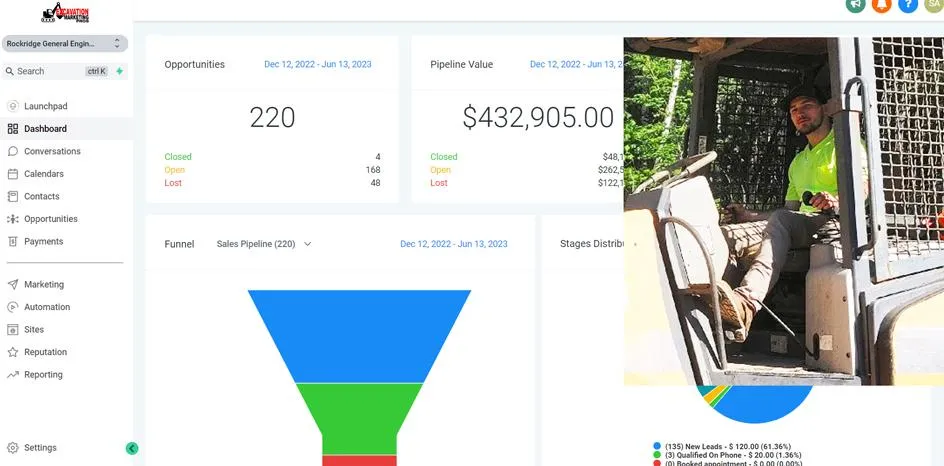
The difference between good intentions and a real system is measurement. You do not need a complicated dashboard, but you should be able to see how many customers received reminders, how many booked another service, which inspection customers became repair or installation opportunities, and how many new calls came from reviews or referrals.
Start with a few numbers your team can act on. Track the number of past customers due for outreach, the number who rebook, the time between a completed job and the next contact, review requests sent, reviews received, and referral sources. Add the revenue that comes from returning customers and compare it with the cost of trying to find a new customer from scratch.
This information makes your marketing decisions calmer. Instead of asking whether a campaign created a pile of leads, you can see whether your business is keeping the customers it already earned. For established septic companies, that is often the most reliable path to a stronger schedule and more profitable growth.
The next job starts before the customer needs it
One-time septic jobs become repeat revenue when the experience does not disappear after payment. Record the service correctly. Follow up when it helps. Send reminders that reflect the property. Ask for the review. Make the referral request easy. Measure what returns.
Your company has already done the hard part: you delivered the work. Now build the system that lets that good work create the next call.
Send us a message today to find out how Excavation Marketing Pros can help your company build a more predictable repeat-revenue system for pumping, inspections, repairs, maintenance, reviews, and referrals.













Facebook
Instagram
X
LinkedIn
Youtube
TikTok