


You have spent years building your septic or excavation business. The trucks, equipment, customer relationships, and long days represent a serious investment. But when you eventually step away, a buyer will want more than the story of how hard you worked. They will want to understand what the business earns and what can continue without you.
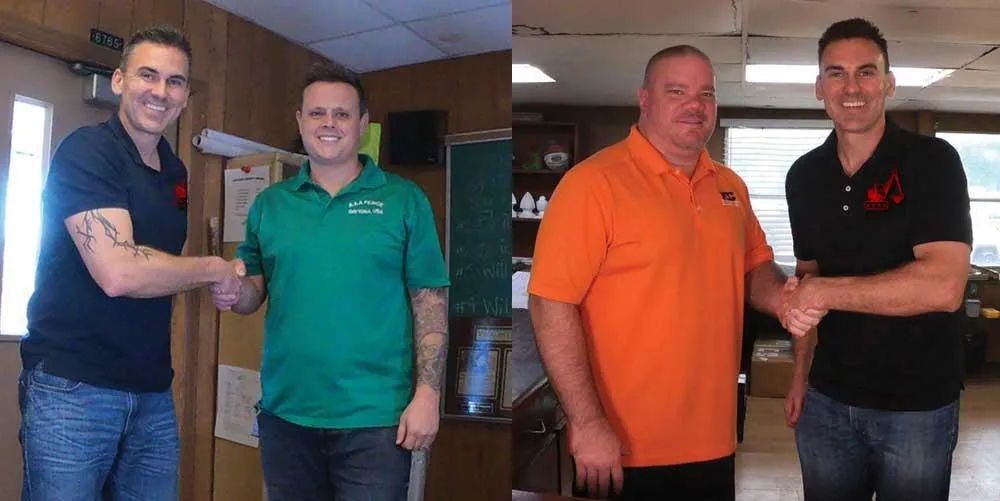
On the Excavation & Septic Profits Podcast, Scott Andreasen talks with Kat Ramirez, founder and CEO of 10X Business Brokers, about business value and preparing for an owner's transition. Her central message is practical: start understanding your business before you need to sell it. Clear records, capable people, and repeatable processes give you a stronger foundation for that conversation, whether retirement is approaching or still years away.
Start With Earnings, Not Just Revenue
A full schedule and a large revenue number can feel like proof that your business is valuable. Kat brings the discussion back to what the company actually keeps. Revenue tells part of the story, but expenses and profitability help explain whether the business can support its next owner.
That distinction matters for excavation and septic contractors. More jobs can bring more labor, fuel, maintenance, and equipment demands. Before pursuing growth for its own sake, ask whether the additional work is improving the business financially. A busier company is not automatically a better business to own.
Kat also emphasizes consistency. One strong year needs context. In describing her review process, she discusses examining three years of financial history, rather than relying on a single headline number. That is her described approach, not a universal requirement for every transaction. The practical lesson is to understand your trends and explain what changed, including staffing, service mix, or marketing activity.
Make Your Financial Story Easy to Follow
A buyer needs records that support the business you describe. Kat repeatedly returns to documented jobs and understandable financials. If the records are difficult to follow, it becomes harder to see how the company performs and what resources it takes to operate.
For a contractor, a useful starting point is connecting job records with the income and costs they produced. Keep the underlying information organized so questions can be answered from records, not memory. When a busy season ends, you should be able to explain more than how many jobs the crew completed.
The conversation also covers reviewing owner-specific expenses and separating financial information when multiple businesses have been mixed together. Treat those as reasons to work with qualified advisers on accurate records and any proposed adjustments. They are not a shortcut to a higher valuation. The goal is a clear, supportable picture of the business being evaluated.
Build a Business That Can Operate Without You
One of the strongest themes in the interview is owner dependence. If you estimate every job, resolve every customer issue, and hold all the operating knowledge, a buyer has to consider what happens when you leave. The business may have employees without having a team that can carry the operation forward independently.
Kat highlights the importance of a trusted person who can step in when the owner is away. She also discusses clear roles, systems, and processes. Technology can help, but her point is broader than buying software. An understandable process still matters even when a company uses simpler tools.
Start with one responsibility that currently stops at your desk. Document how it works and help someone else learn it. That might be scheduling, routine customer follow-up, or preparing information for an estimate. These are practical applications of the interview's delegation theme, not a promise of a particular increase in business value.
Look at Equipment Through a Buyer's Eyes
Equipment is a major part of this conversation because septic and excavation operations can require substantial capital. Kat discusses realistic equipment values and the questions buyers ask about replacement needs. A buyer is not only looking at what is in the yard today. They are also considering what they may need to repair or replace after taking over.
Keep an organized equipment list and a clear record of condition and maintenance. Be prepared to discuss upcoming replacement needs honestly. An owner's attachment to a truck or excavator is different from a supportable assessment of its current value.
Do not turn the discussion into a universal formula that adds equipment value to an earnings multiple. How assets are treated depends on the valuation and transaction being considered. The useful takeaway is to make equipment information clear and realistic, then review its role with the professionals evaluating the business.
Show How Customers Find You and Come Back
Kat's marketing questions are especially relevant to contractors: where do inquiries come from, and how does the company stay in touch with its customers? She discusses lead tracking, websites, social media, customer email information, and service reminders as parts of an understandable marketing process.
Tracking does not have to begin with a complicated system. In the interview, even asking a customer how they heard about the company is discussed as a starting point. A consistent record is more useful than scattered guesses about which advertising channel seems to work.
The same principle applies to follow-up. If your company sends reminders or useful customer information, document the process so another person can understand and continue it. The lesson is not that every contractor needs the same channels. It is that a repeatable, visible process tells a clearer story than marketing that depends entirely on the owner remembering what to do.
Plan Your Transition Before Circumstances Force It
Kat describes situations where owners seek help only after a serious health event. The broader lesson is to prepare while you have room to make decisions. Exit planning does not require an immediate decision to sell. It can begin with understanding today's business and identifying what would need attention before a future transition.
Ask what stepping away would look like for you. Do you want to leave completely, provide limited transition support, or remain involved in a different role? Kat discusses different arrangements in the interview, but no single transition period fits every owner or buyer. Your preferences belong in the conversation early.
An evaluation can also help separate a hoped-for selling price from the business information available to support it. Use that discussion to identify priorities, not as a guarantee of future proceeds. Improving records, developing a dependable team, and understanding profitability are useful work even if your plans later change.
Consider Buyer Fit Alongside the Numbers
The interview covers several buyer types, including individual buyers, investor groups, and private equity. Kat also explains why the relationship between buyer and seller can matter during a handoff. The next owner may need to learn the business, and both parties need a workable understanding of that transition.
Be ready to explain how the company operates, what you personally do, and what the team can handle. Honest answers give the conversation more substance than a sales pitch alone. The right questions are not simply what someone might offer, but what information they need and how a transition could work.
Take the Next Step With Better Information
For excavation and septic contractors, this conversation is a reminder to look beyond the next job. Understand the earnings, organize the records, develop the people, and make the operating and marketing processes easier to explain. Those actions help you see what you have built and where it still depends on you.
This article provides general education drawn from the interview, not a valuation of your company or personalized financial, legal, or tax advice. Consult qualified advisers about your circumstances. To learn more about Kat Ramirez and 10X Business Brokers, visit her website and explore the next step for understanding your business.












Facebook
Instagram
X
LinkedIn
Youtube
TikTok