



Your technician finishes the job, explains what was done, and hears the homeowner say, “Thank you. You guys were great.” Then the truck leaves, the next appointment takes over, and that conversation never becomes a public review.
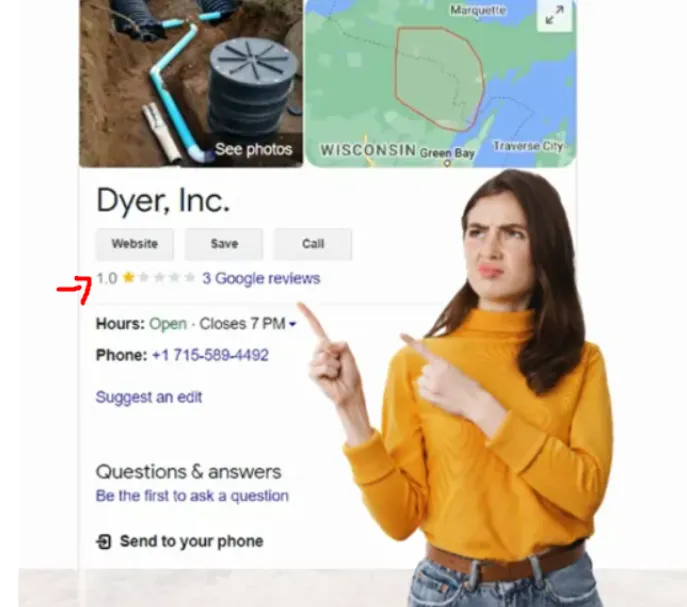
The homeowner knows your company did good work. The next homeowner searching for a contractor may never hear about it.
For excavation and septic contractors, the opportunity is not to turn every technician into a salesperson. It is to make a respectful invitation for honest feedback part of a professional customer handoff. Your crew already does the work that earns trust. Give them the language and support to ask without making the moment awkward.
That means a repeatable process, not a demand for five stars. The customer decides whether to review, when to review, and what to say.
Start With the Job Closeout, Not the Review Request
A review request cannot replace a proper explanation of the work. Before leaving, the technician should explain what was completed, describe relevant findings, and make sure the customer understands any next step.
For a pumping job, that might include service observations and the recommended follow-up. For excavation work, it could mean walking through the finished scope and explaining restoration or remaining work. Answer questions before moving into a feedback invitation.
This keeps the request connected to a genuine service experience. It also prevents the technician from asking for praise while the homeowner is still wondering what happened on their property.
Teach One Sentence Your Crew Can Actually Say
Do not give technicians a paragraph to memorize. Give them a short invitation that sounds like a person talking to another person.
A useful example is: “Our office can send you a link if you'd like to leave an honest review about your experience.”
Another option is: “We appreciate customer feedback. Would you like us to send you our Google review link?”
Neither asks for a particular rating. Neither tells the customer to mention the technician's name, include service keywords, or describe the job in a certain way. The point is to make feedback easy, not write the review for them.
Let technicians choose the wording that feels natural, while keeping the request neutral and optional.

Make the Invitation Consistent, Not Selective
Do not train the crew to ask only when a customer seems likely to leave five stars. A polite comment, a satisfaction survey, or a technician's instinct should not decide who receives the public review link.
Build a consistent invitation into normal completed-job communication. Use neutral operational rules, such as the service being completed and an appropriate contact channel being available. Do not route dissatisfied customers to private feedback while sending everyone else to Google. That is review gating, not reputation management.
Customers can raise concerns directly with your office and still have the same opportunity to share an honest public review. Both paths should remain available.
Give Customers Space to Respond Later
A homeowner may be heading to work, managing children, or dealing with another problem. The technician should not wait beside them while they write a review.
Offer the link, finish the handoff, and let the customer decide. Do not ask them to hand over their phone, dictate their response, or imply that the technician needs a review before leaving.
During an active emergency, focus on the service and safety conversation. Coordinate the invitation through the normal follow-up process afterward. Timing should reflect the situation, not whether you think the customer will praise your company. A respectful request leaves room for a genuine answer.
Make the Review Link Easy to Use
Use the review link from your company's Google Business Profile rather than expecting the homeowner to search for the business again. Google also provides a QR code you can share on appropriate customer materials.
Test the destination before putting it on a card, invoice, or message template. Make sure it opens the correct company profile, especially if you operate multiple locations.
A simple card can help, but it should offer an option rather than create homework. If the customer prefers a message, use the approved office process. The technician does not need to troubleshoot somebody else's phone on the driveway to finish the request.
Let the Office Handle the Follow-Up
The technician makes the human introduction. The office makes sure the promised link reaches the right person through a permitted communication channel.
A neutral message might say: “Thank you for choosing our company. If you'd like to share your experience, here's our Google review link. We appreciate your honest feedback.”
Keep it short. Do not combine the request with a sales promotion or imply that a positive rating is expected. Use authorized messaging practices, respect opt-outs, and confirm that the contact information belongs to the customer.
Choose one owner for the process. Otherwise, the technician, dispatcher, and automated workflow may all send separate requests to the same homeowner.
If the homeowner is not present, do not force an on-site conversation with someone who has no genuine experience with the service. Record who should receive the normal closeout message and how they prefer to be contacted. A property manager, homeowner, or tenant may have different roles. The invitation should reach someone with a genuine experience, not an arbitrary contact in the job file.
Practice the Moment Before Expecting It in the Field
Review requests often feel awkward because nobody has practiced them. Spend a few minutes in a crew meeting acting out an ordinary job closeout.
Have one person play the homeowner and another explain the completed work. Then practice offering the review link naturally. Include a customer who declines, someone who is busy, and someone who raises a concern.
The correct response to a refusal is simple: “No problem. Thank you for having us out.”
Coach tone and timing, not persuasion. Technicians should be comfortable making the invitation and equally comfortable accepting that the customer does not want to participate. That confidence comes from clear expectations and practice, not pressure to bring back reviews.
Include this process in new-hire training rather than relying on employees to pass it along informally. Show where the wording lives, who sends the link, and how a technician flags a question for the office. When the process changes, update the template and tell the crew. Consistency is easier when nobody has to guess what the owner expects.
Handle Concerns Without Bargaining for Praise
If a homeowner raises a problem, listen and document it. Tell them who will follow up and when. Then make sure the office actually takes ownership of the issue.
Do not promise a discount, refund, or extra work in exchange for changing or removing a review. Resolve legitimate service concerns because the customer deserves an appropriate response, not because you want to control the rating.
Avoid saying, “Please don't review us until we fix this.” A professional service-recovery process and a customer's freedom to share their experience can exist together. Your staff should know how to manage both without arguing or becoming defensive.
Avoid Rewards and Review Quotas
Do not offer customers free services, discounts, or gifts in exchange for Google reviews. Google's rules prohibit those incentives, even when you describe the request as an honest review. Reviews should come from genuine customers, not employees, relatives, or arranged accounts.
Do not set a quota for technicians to solicit a certain number of reviews or require reviews that name individual staff members. Avoid competitions based on five-star counts. Those systems encourage pressure and make public feedback feel like an employee scorecard.
Recognize professional communication and reliable service instead. The customer's decision to post, and the content of their review, should remain outside the technician's control.
Use Your CRM to Prevent Confusion
Record the completed service, customer communication preferences, and whether the office sent the promised review link. Keep complaint details in the appropriate service record, but never use them to block access to public feedback.
If you choose to send a reminder, make it limited and polite. One follow-up is a reasonable starting point, not a rule that every customer must receive repeated messages. Stop when someone declines or opts out.
Review the closeout process for duplicate messages, broken links, and missed handoffs. Track feedback trends without demanding a particular rating or setting staff solicitation targets. A healthy system makes the invitation easier while preserving the customer's choice.
Turn Good Service Into Visible Trust
You do not need a more aggressive review pitch. You need a professional handoff that your crew understands and your office can support.
Teach the explanation, practice a neutral invitation, provide the correct link, and coordinate the follow-up. Give every customer room to answer honestly. When feedback arrives, respond thoughtfully and use recurring concerns to improve the service itself.
Your technicians earn trust through the work they do. Help customers share that experience without pressure, shortcuts, or awkward demands.
Look beyond the total number of reviews. Ask new leads what helped them choose your company, and note when customers mention the reputation they found online. Reviews can support trust, but they do not guarantee rankings or booked jobs. Keep improving communication, service quality, and follow-up alongside the public feedback. That connects the review process to the customer experience.
Send us a message today to find out how Excavation Marketing Pros can help your excavation or septic company build review-request systems, stronger customer follow-up, and marketing that makes your reputation easier for the next homeowner to see.













Facebook
Instagram
X
LinkedIn
Youtube
TikTok