



October is the month many septic companies accidentally give away the Q4 schedule they worked all year to earn. The phone is still ringing. Inspection requests are coming in. Pumping customers are asking about timing before winter. Repair prospects are collecting estimates. Homeowners who put off a system decision during summer are finally trying to make a plan. Yet too many good opportunities disappear because the office is busy, the technician is busy, and no one owns the next follow-up.
For an established septic company, this is not a lead-volume problem. It is a conversion problem. You already have a local reputation, a trained team, and customers who trust you enough to call. The question is whether your marketing and follow-up system turns that October attention into booked work before the calendar tightens.
October Is the Follow-Up Window That Decides Q4
Fall gives septic contractors a useful mix of demand. Some callers need pumping or a repair now. Some are responding to an inspection issue. Others are thinking about a replacement, a rural-home purchase, or site work they want completed before spring. Those homeowners do not all need the same message, but they all need a fast, confident response.
The mistake is treating every inquiry like a single transaction. A homeowner who needs an emergency repair today should move quickly to a live conversation and a clear next step. A homeowner planning a system replacement in the next 30 to 60 days needs useful information, a prompt estimate, and a deliberate follow-up cadence. If both leads receive the same generic voicemail or a one-time quote email, the company leaves revenue exposed.

Fast Response Protects the Work You Already Paid to Generate
When a homeowner has a septic concern, they rarely call one contractor and wait patiently. They call the company that looks credible, answers the phone, and makes the next step simple. That means your speed-to-lead is not an office metric. It is a marketing metric.
Set a standard for how every inbound opportunity is handled. Missed calls should trigger a quick return call and a text option. Web forms should create an immediate acknowledgement and a task for an actual person. Estimates should not disappear after they leave the inbox. None of this requires a complicated call center. It requires clear ownership, a CRM or invoicing system your team actually uses, and a short process that still works on the busiest October afternoon.
Established septic businesses have an advantage here. You already know the service area, the seasonality, and the questions homeowners ask. Put that knowledge into the response process. Explain what the next step is, when the customer can expect an answer, and what information will help you quote accurately. Certainty is persuasive.
Separate Ready-Now Calls From 30 to 60 Day Planners
A booked schedule is built from more than emergencies. The company that only chases today's urgent calls will keep living week to week. The better play is to identify what the prospect needs and how soon they intend to act, then make the follow-up fit that buying window.
For ready-now pumping, repair, or inspection calls, the goal is straightforward: get the right information, confirm service availability, and reduce the time between first contact and a booked appointment. For replacement and installation opportunities, the goal is different: build confidence before the prospect goes cold. A detailed estimate, a useful explanation of the process, and a scheduled follow-up prevent the lead from becoming another silent line item in the CRM.
This is especially important for septic and excavation contractors whose work may overlap. A homeowner may start with a drainage concern or an inspection failure, then discover the project requires excavation, site preparation, or a system replacement. Your marketing should make it clear that your company can guide the work from the first question through the completed job.
Use October to Reactivate Customers Before Winter
Your best Q4 opportunities are often sitting in your existing customer list. Past pumping customers may be nearing a useful reminder date. Old estimates may need a clear reason to restart the conversation. Homeowners who called months ago may not have moved forward, but their need did not vanish.
Do not send a vague "checking in" message. Give the homeowner a practical reason to respond. Remind them of the seasonal benefit of getting service addressed before winter. Offer a clear way to schedule. Revisit outstanding estimates with a personal call or text. The message should sound like it came from a contractor who understands the property and the work, not from a generic marketing blast.
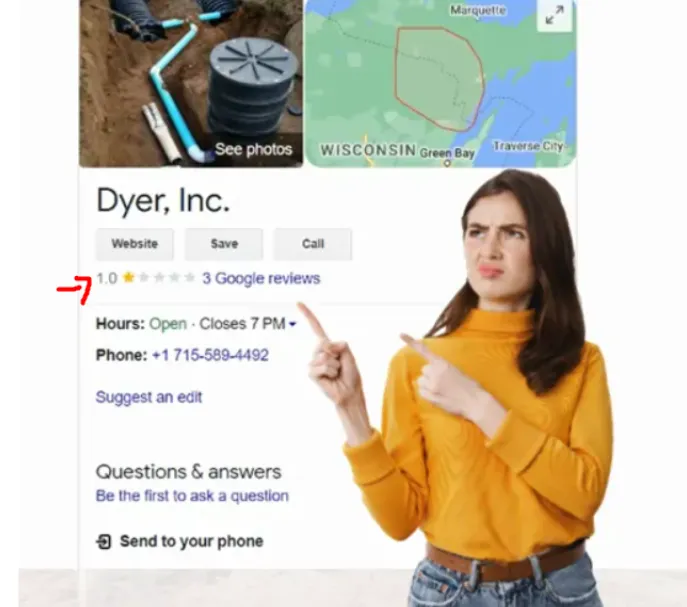
At the same time, keep review generation active. Recent reviews give an established local company the proof homeowners look for when comparing options. Ask after a successful service experience, make the request easy, and use real customer feedback to strengthen the Google visibility that drives the next call.
Track the Numbers That Turn Marketing Into a Q4 Plan
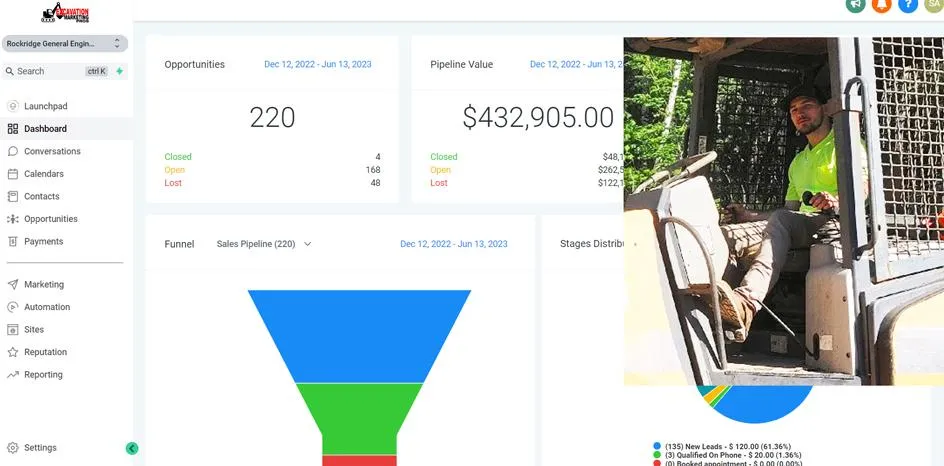
You do not need a dashboard full of vanity metrics. You need to know which sources generate real conversations, how quickly your team responds, how many estimates are followed up, and which campaigns turn into booked work. For septic contractors, that can be the difference between spending money on more leads and getting more value from the leads already coming in.
Start with a simple weekly review. Look at missed calls, response time, appointment-booking rate, open estimates, follow-up completion, reviews requested, and marketing source. Then ask one honest question: where is the handoff breaking down? If Google leads are strong but estimates are not being followed up, more ad spend will not fix the problem. If response time is slow on weekends, the schedule needs a process, not another random campaign.
Build the Winter Pipeline Before the Weather Changes
October gives you a chance to enter Q4 with intention. The work is not simply to get more leads. It is to make every good lead easier to capture, easier to follow up, and easier to attribute. That is how a septic company moves from hoping the phone rings to knowing which marketing and operational actions are filling the schedule.
Send us a message today to find out how Excavation Marketing Pros can help your septic and excavation business build a trackable marketing and follow-up system that produces better local opportunities, faster responses, and a stronger Q4 pipeline.













Facebook
Instagram
X
LinkedIn
Youtube
TikTok