
Most septic companies do not need to become influencers to get value from social media. They need to become familiar to the homeowners in the areas they serve.
When a homeowner has a septic backup, needs an inspection, is planning a system replacement, or is comparing contractors for a repair, they are looking for more than a company name. They want signs that the business is local, experienced, responsive, professional, and capable of doing the work correctly. Your social media can provide those signs long before the phone rings.
The mistake is treating social media as a place to post generic holiday graphics or an occasional truck photo with no context. The best septic company social content is built from the work already happening in your business: projects, crews, answers to homeowner questions, reviews, before-and-after results, and short explanations of what customers should know.
For established septic contractors, the goal is not constant posting. It is a simple, repeatable system that turns ordinary work into proof that helps the right customers feel comfortable calling.
Why Social Media Matters for Septic Companies
Homeowners rarely wake up excited to research septic work. Usually, they start looking because a system is showing symptoms, a property is being sold, an inspection uncovered a problem, a project requires site work, or they need a reliable company to maintain the system. In that moment, they may search Google, ask neighbors, read reviews, and look at a company’s Facebook or Instagram profile before making contact.
A quiet or outdated profile can create doubt, even when the company does excellent work. It gives the homeowner no visible proof that your business is active, local, or trusted. A useful profile does the opposite. It shows current projects, real people, real equipment, customer feedback, and helpful answers. It makes the company more familiar before the prospect ever speaks to the office.
Social media also supports your other marketing. The homeowner who sees your Google ad may look up your Facebook page. The referral who hears your name may check Instagram. The person who reads a service page may want proof that you have handled a situation like theirs. Social content helps reinforce the decision across those steps.
What Homeowners Actually Want to See From a Septic Company
Homeowners do not need to see every detail of your day. They want reassurance that they are choosing a professional who understands their problem and will treat their property with respect.
They want to see clean, organized work. They want to see that your trucks and equipment are cared for. They want evidence that your team communicates clearly, solves real problems, and finishes jobs properly. They also want simple explanations in plain language. A homeowner dealing with drainage, a failed system, an inspection issue, or a pump problem may not know the technical terms. Helpful content makes the company feel approachable without oversimplifying the work.
This is why project photos, short technician explanations, customer reviews, and before-and-after results are more useful than stock images. They answer the question every prospect is quietly asking: “Have these people done work like mine, and can I trust them at my property?”
The Best Types of Social Media Posts for Septic Contractors
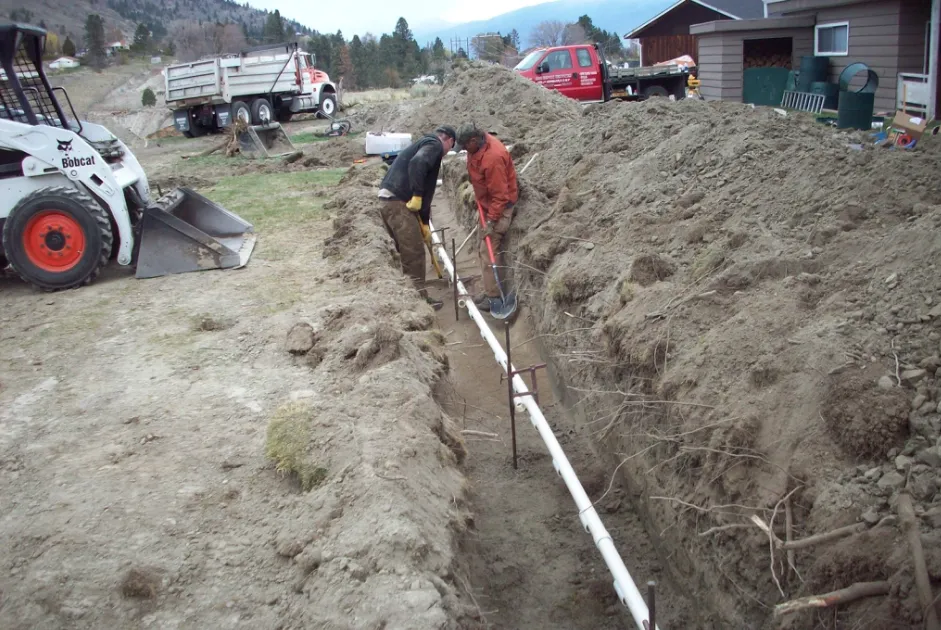
The best post types are the ones your team can repeat without creating a second full-time job. Project proof is one of the strongest choices. A few photos from a repair, system replacement, drainfield project, excavation job, inspection, or site-prep project can become a simple post explaining the challenge and the result.
Customer reviews are another reliable source. Turn a strong review into a simple graphic or pair it with a photo from the type of work mentioned. Educational posts work well when they answer a question the office hears repeatedly, such as what to do before a septic inspection, signs a system needs attention, why a quote depends on site conditions, or what homeowners should expect during a replacement.
Crew and equipment posts also matter. They show that real people and capable equipment stand behind the company. Short videos can bring all of this together by allowing a technician, estimator, or owner to explain a job in a clear, human way.
The formula is simple: show useful work, explain it briefly, and make it easy for a local homeowner to understand why it matters.

How to Turn Everyday Jobs Into Content
Your crews are already producing content every week. The problem is that most companies do not capture it consistently.
Create a simple process. Before a job begins, take one clear photo that shows the starting condition when appropriate. During the job, capture one image of the crew, equipment, or work in progress. At the end, take one completion photo. Ask the technician or estimator for two sentences: What was the problem? What did the team do to solve it? The office can turn that into a useful post in minutes.
A drainage repair may become a post about keeping water away from a system. A replacement project may explain why access, soil conditions, permits, and scope affect the process. A pumping visit may become a reminder about maintenance planning. A site-prep project can show homeowners how a well-organized process protects the next phase of construction.
You do not need to share private homeowner details or make every post a sales pitch. Focus on the work, the process, and the outcome. That creates content that is useful, credible, and easy to repeat.
Before-and-After Posts That Build Trust
Before-and-after content works because it makes the result visible. It helps a prospect see that your company does more than talk about solutions. It shows the difference your team creates.
The best before-and-after posts are honest and specific. Show the property condition before work begins when doing so is appropriate and respectful. Then show the completed repair, cleaned work area, restored grade, new component, finished drainfield area, or organized site. Add a short caption explaining the original concern and the completed result.
Do not overpromise. A septic project can be complex, and homeowners appreciate a company that explains the work professionally rather than treating every job like a dramatic makeover. The purpose is trust. When homeowners see careful project proof, they begin to imagine your team handling their property with the same care.
Educational Posts That Answer Common Septic Questions
Educational content is one of the easiest ways to stay visible without sounding repetitive. Your office already hears the questions. Turn the useful answers into short posts.
You might explain what homeowners should do if they notice slow drains, standing water near a septic area, unusual odors, or plumbing backups. You can explain why an inspection may be needed before a property sale, why a system quote cannot always be given accurately without understanding site conditions, or how routine pumping and maintenance protect the system.
Keep the message clear. One question per post is enough. Do not try to turn every caption into a full technical manual. A short explanation followed by an invitation to call for the right next step is more useful than a long lecture.
Educational content also helps qualify leads. When your posts make your process, service area, and project standards clearer, the homeowners who contact you arrive with better context. That saves time for the office and creates a better first conversation.
How to Use Customer Reviews and Testimonials
A good review is not just a five-star rating. It is customer language that tells future homeowners what it feels like to work with your company.
When a customer mentions fast communication, a respectful crew, clear explanations, cleanup, professionalism, or a successful repair, use that theme. Turn the review into a graphic with a project image or a simple photo of the truck and crew. Keep it accurate. Do not rewrite a review until it says something the customer did not say.
A short testimonial video can be even more powerful when a homeowner is comfortable sharing it. It does not need a polished production. A clear, genuine explanation of the problem, the experience, and the result can make your company more memorable than a generic advertisement.
Build review use into your closing process. When a customer is satisfied, ask for the review. When the review arrives, flag it for the office or marketing team. That creates a steady supply of proof instead of relying on old testimonials for years.
Showcasing Your Crew, Trucks, and Equipment
Many owners hesitate to show the crew because they think customers only care about the result. Customers care about both. They want to know who is coming to the property and whether the company looks prepared.
A crew introduction, a clean truck photo, a piece of equipment arriving at a job, or a short behind-the-scenes clip can make the business feel more real. These posts do not need to be flashy. They should show pride, professionalism, and readiness.
Use them to explain the role of the equipment or crew. A photo of a vacuum truck can become a maintenance reminder. An excavator at a site can explain how access and site conditions affect a replacement project. A crew photo can reinforce that your company is local and accountable.
The point is not to show off machinery for its own sake. It is to make homeowners feel they are hiring an organized company with the people and equipment to do the work well.
Using Video to Make Your Company More Familiar
Video is one of the fastest ways to make a septic company familiar. A homeowner can hear the owner’s voice, see a technician explain a simple issue, or watch a brief walkthrough of a completed project. That reduces uncertainty in a way a logo cannot.
Start small. A 30- to 60-second clip can answer one common homeowner question, show a completed job, or explain what happens during an inspection or service visit. Film vertically for Facebook and Instagram. Keep the audio clear. Use ordinary language. Have the person speaking look at the camera and explain the point as if they were talking to a customer at the property.
You do not need a new video every day. A handful of useful clips each month can be reused in social posts, service pages, follow-up emails, and paid campaigns. One good field video has more value when it becomes part of a system instead of a one-time post.
What to Post During Slow Seasons
Slow seasons are when many contractors disappear from social media. That creates a visibility gap just when homeowners may be planning future work, comparing companies, dealing with inspection issues, or trying to understand what should happen next.
Use slower periods to educate, follow up, and build familiarity. Share maintenance reminders, inspection guidance, planning advice, older project proof, customer reviews, team introductions, and answers to questions that homeowners research before they are ready to call. Highlight services that make sense for the season without forcing urgency where it does not exist.
This is also a good time to revisit old estimates and past customers. A thoughtful post about planning for a replacement, scheduling maintenance, or preparing a property for the next season can support a direct follow-up effort. The goal is to stay useful and visible so the right customer remembers you when the timing is right.
How Often Septic Companies Should Post
Consistency matters more than volume. A company that posts two useful pieces of content every week for several months will usually build more trust than a company that posts ten times in one week and disappears for two months.
A practical starting point is two or three posts per week. That may include one project proof post, one educational answer, and one review, crew, or equipment post. If you have strong video resources, add a short clip. If your team is busy, keep the process simple and protect the quality of the content.
Build a small library as you go. Save project photos by service type. Keep a folder of reviews. Collect common questions from the office. Store completed videos. Over time, this makes social media easier because you are not starting from zero every week.
Facebook vs. Instagram: Where Should You Focus?
For many septic companies, Facebook remains a strong place to reach local homeowners, share reviews, post project updates, and stay familiar in the community. It is often where referrals, neighborhood conversations, and local business checks happen.
Instagram can be valuable for visual project proof, short videos, before-and-after content, team introductions, and an organized company profile. It can also make your business look more current when a homeowner checks you after finding your name on Google.
The best choice is not always one or the other. Start with a core set of content that works in both places. Adapt the image size or caption slightly if needed, but do not create two entirely separate marketing departments. A useful project story can support both platforms when the post is clear and visually strong.
How to Get More Engagement Without Posting Gimmicks
You do not need giveaways, dances, or gimmicks to generate engagement. For a septic company, the right engagement is a homeowner saving a post, tagging a neighbor, asking a serious question, reading a review, or remembering your name when a problem occurs.
Ask simple, useful questions when appropriate. Invite people to share a concern they have noticed around their property. Ask whether they want a future post explaining a particular topic. Respond to comments professionally and promptly. Thank customers who leave positive feedback.
The best engagement comes from relevance. A homeowner is more likely to interact with a clear post about an inspection, drainage issue, or system warning sign than with a generic message that could have come from any business. Useful local content earns attention without making your company look desperate.
When to Use Paid Ads to Boost Your Social Media
Paid social ads can help when you have a strong post, a clear service, a defined audience, and a reliable follow-up process. They are especially useful for building awareness, promoting a local project story, sharing a helpful video, or staying visible in a defined service area.
Do not boost every post. Use paid promotion when the content supports a business goal. That might be more inspection inquiries, more awareness of a service line, visibility in a nearby market, or follow-up with people who have already visited your website or watched a video.
Paid social is usually more effective when it supports your full marketing system instead of trying to replace high-intent channels. Google Ads and Local Services Ads can capture people actively searching. Paid social can build familiarity and help your company stay present before that search happens. Track the result so you know whether the investment is creating qualified calls and opportunities.
How to Track Whether Social Media Is Generating Calls and Jobs
Do not assume social media is working just because a post gets likes. Ask each new lead how they heard about your company. Track website traffic from social links. Use a CRM or lead tracker to record source, service requested, estimate value, sold job, and revenue.
Some social media results are direct. A homeowner sees a video and calls. Others are assisted. A prospect finds you through search but feels more comfortable calling after seeing reviews, crew photos, or project proof on Facebook. Both matter, but you need a simple process to spot the pattern.
Review your numbers monthly. Which post types earn calls or messages? Which services are people asking about? Which locations respond? Are social leads becoming qualified opportunities and profitable work? This turns social media from a vague activity into part of your marketing system.
Building a Simple Social Media System Your Team Can Maintain
A sustainable system does not depend on the owner remembering to post after a long day. It gives the team a repeatable way to capture work, organize proof, prepare content, and publish consistently.
Start with a simple field-to-office handoff. Ask the crew or estimator to capture two or three approved photos on suitable jobs. Have them send a short note about the challenge and result. Let the office save the materials in folders by service type. Use a weekly schedule that rotates project proof, education, reviews, team content, and video.
This system can grow over time, but it does not need to be complicated to work. The key is to keep it connected to the services and customers you want more of. When social media shows real work, answers real questions, and supports a professional follow-up process, it can help septic contractors turn visibility into familiarity, and familiarity into better local opportunities.
If your septic company wants a content system that supports stronger local visibility, better lead quality, and more trackable results, send us a message today to find out how Excavation Marketing Pros can help you turn everyday project proof into marketing that brings in the right customers.












Facebook
Instagram
X
LinkedIn
Youtube
TikTok